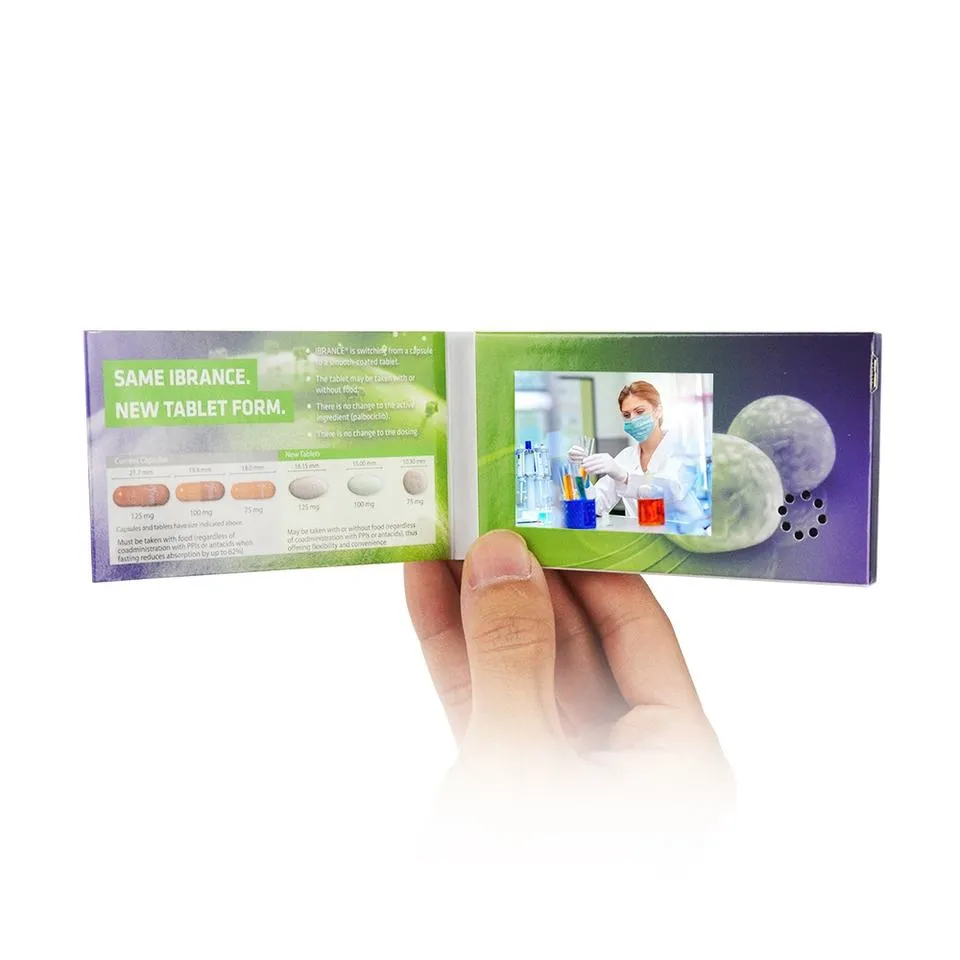
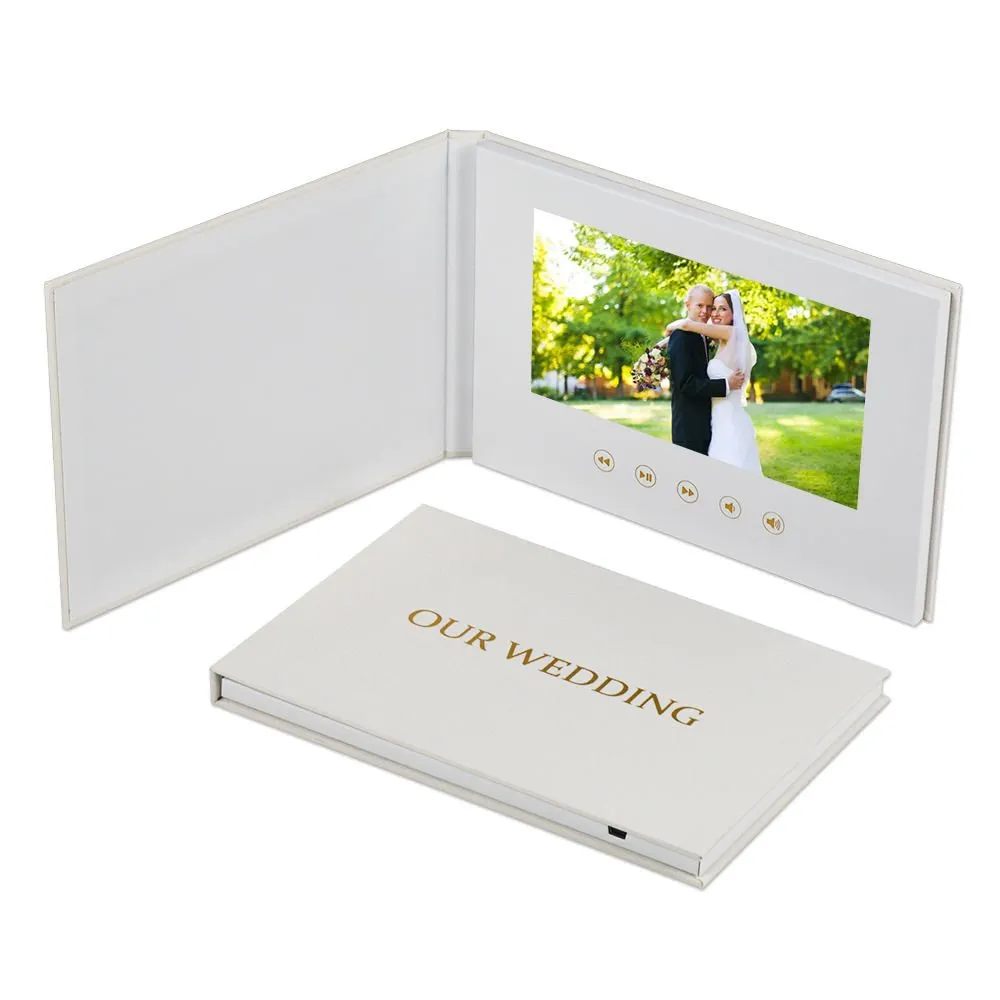
Creating a custom video brochure that genuinely performs requires more than picking a supplier and uploading a video file. The design process, when done well, is a careful integration of physical, visual, and content decisions that all need to work together to create a coherent and compelling experience. When any one of those elements is mishandled, it weakens the whole. A stunning physical design paired with weak video content disappoints. Beautiful video inside a poorly printed shell feels incongruous. Powerful content delivered without a clear call to action goes nowhere. This guide walks through the design process step by step, giving marketers a clear framework for making every decision with intention and ensuring the final product delivers on its potential.
Step One: Define the Audience and Goal Before Anything Else
No design decision should be made before two questions have been answered with complete clarity. Who specifically is this for? And what specifically do you want them to do after engaging with it?
The more precisely you can define your audience, the better every subsequent decision will be. A custom video brochure targeting C-suite executives at financial services firms requires a different aesthetic, tone, and content approach than one targeting creative directors at advertising agencies. The physical size, the video content, the language in the copy, all of these should be calibrated for the specific person who will hold the finished piece.
The goal question is equally critical. Is the desired action a phone call, a website visit, a booked meeting, a form completion, or simply a brand impression? The answer shapes the call to action, the video script, and the information hierarchy throughout the piece.
Step Two: Plan the Physical Format
The physical format of a custom video brochure encompasses several decisions: size, fold structure, number of panels, screen placement, paper stock, and finish. Each of these choices has functional and aesthetic implications that need to be thought through together rather than in isolation.
Screen placement is particularly important. The most common configuration places the screen on the inside left panel, so it is revealed the moment the brochure is opened. But more creative placements, such as inside a pocket, behind a fold-out panel, or on the cover itself, can create unexpected reveal moments that heighten the impact significantly.
Paper stock should feel substantial and appropriate for the brand. Soft-touch lamination is a popular choice for premium presentations because it creates a velvety tactile experience that reinforces a quality impression from the first touch.
Step Three: Develop the Video Content With the Format in Mind
The video produced for a custom brochure should be developed specifically for that context, not repurposed from another application without adaptation. The screen is viewed at close range in a quiet, focused environment. That means production choices like close-up shots, clear audio, and high-contrast visuals will perform better than wide landscape shots designed for a large display.
Keep the video focused and purposeful. One to three minutes is typically the right range for most applications. Front-load the most compelling content because you cannot guarantee every viewer will watch to the end. End with a clear, specific call to action that connects directly to the campaign goal identified in step one.
Step Four: Create Print Content That Supports the Video
The printed elements of the brochure are not decoration. They carry supporting information, reinforce key messages, and guide the recipient toward the next step. Resist the temptation to fill every panel with dense copy. The video is doing the heavy lifting. The print content should be concise, clear, and complementary.
Key information to include in print: your brand story summary, the specific value proposition relevant to this audience, social proof in the form of client names or testimonial excerpts, and a clear call to action that mirrors what the video communicates.
Conclusion
A custom video brochure that performs begins with a clear brief and a disciplined design process. Define the audience and goal first. Then make informed decisions about format, video content, and print elements in that order, with each decision informed by the one before it. The result will be a piece that does not just impress, it converts.