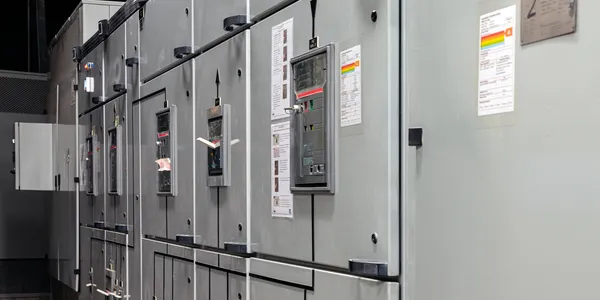
The first step in any major renovation project should be assessing the state of your current switchgear and wiring. Older buildings often struggle to keep up with the power demands of modern technology, leading to frequent tripped breakers. Installing a new distribution system provides the capacity needed for high-powered tools and extensive computer networks.
Improving Reliability with Switchgear Upgrades
Upgrading your electrical panels allows for better load balancing across your entire property. This prevents any single circuit from becoming a bottleneck, which is a common cause of electrical fires. Modern units also feature advanced monitoring capabilities, allowing you to track energy usage in real-time and identify potential issues before they become disasters.
Safety Protocols and Protection
Circuit protection is the most important aspect of any electrical installation. Quality breakers respond instantly to ground faults and short circuits, cutting off power before damage occurs. This protection extends the life of your appliances and machinery, saving thousands of dollars in potential replacement costs over the long term.
Professional Installation Standards
Always hire certified electricians to handle the installation of heavy-duty electrical components. Improper wiring can lead to inconsistent power delivery and may void your insurance coverage. Professionals ensure that every connection is secure and that the system is grounded according to the highest industry safety standards.
Enhancing Ambiance through Commercial Lighting
Once the power system is secure, focusing on commercial lighting can transform the look and feel of your business. High-quality LED fixtures offer a variety of color temperatures, from warm yellow for lobbies to cool white for task-oriented areas. This flexibility allows you to tailor the environment to suit the specific needs of your clients and staff.
Sustainability in Modern Design
- LEDs use up to 80% less energy than old bulbs.
- Reduced maintenance costs due to longer life cycles.
- Eco-friendly materials with no mercury or toxic gases.
- Improved light distribution reduces the number of fixtures needed.
Smart Lighting Control Systems
Integrating smart sensors into your lighting plan can further enhance efficiency. Occupancy sensors ensure that lights are only active when a room is in use, preventing wasted energy in empty offices. Photo-sensors can also adjust brightness based on the amount of sunlight entering through windows, maintaining a constant light level throughout the day.
- Map out the floor plan for light placement.
- Select color temperatures based on room usage.
- Install motion sensors in restrooms and breakrooms.
- Coordinate lighting controls with your HVAC system.
Conclusion
A comprehensive approach to facility management involves looking at both the hidden and visible aspects of your electrical system. Robust power distribution combined with intentional lighting design creates a foundation for a successful business operation. By focusing on quality and efficiency, you create a safer, more productive environment for your entire team.